
Ever question what’s really behind the ingredients in pet food and why they’re there? We're putting an end to the guessing game. What would you like to learn more about?
People often wonder what the individual ingredients in pet food actually do and why they're included. We're putting an end to the guesswork. What would you like to know more about?
For us, only human-grade meat makes it into the bowl — everything else simply isn’t good enough. Because we know: protein isn’t just for the gym, it’s essential for dogs and cats too.
But what are the differences between protein sources? We've got a quick check for you:
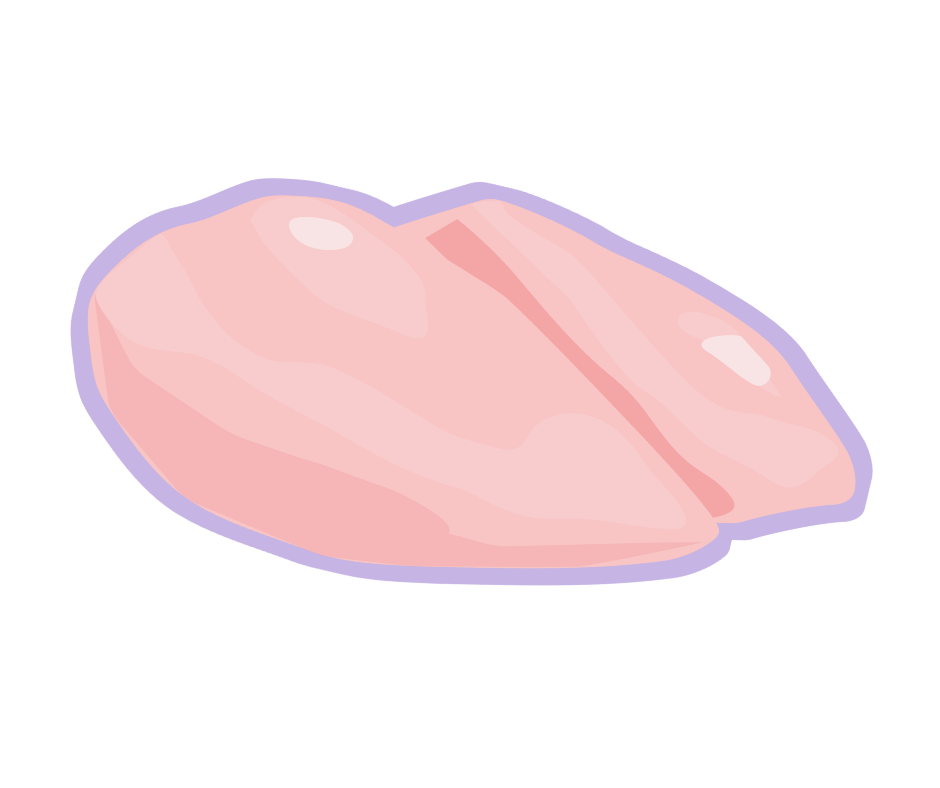
Chicken provides very high-quality, but low-fat protein, which the bodies of dogs and cats can break down particularly easily.
Chicken hardly puts a strain on the metabolism. This can be particularly helpful if the stomach and intestines sensitive or if the animal needs to rest.
Animals that need a light, easily digestible base in their bowl or that need to watch their weight.
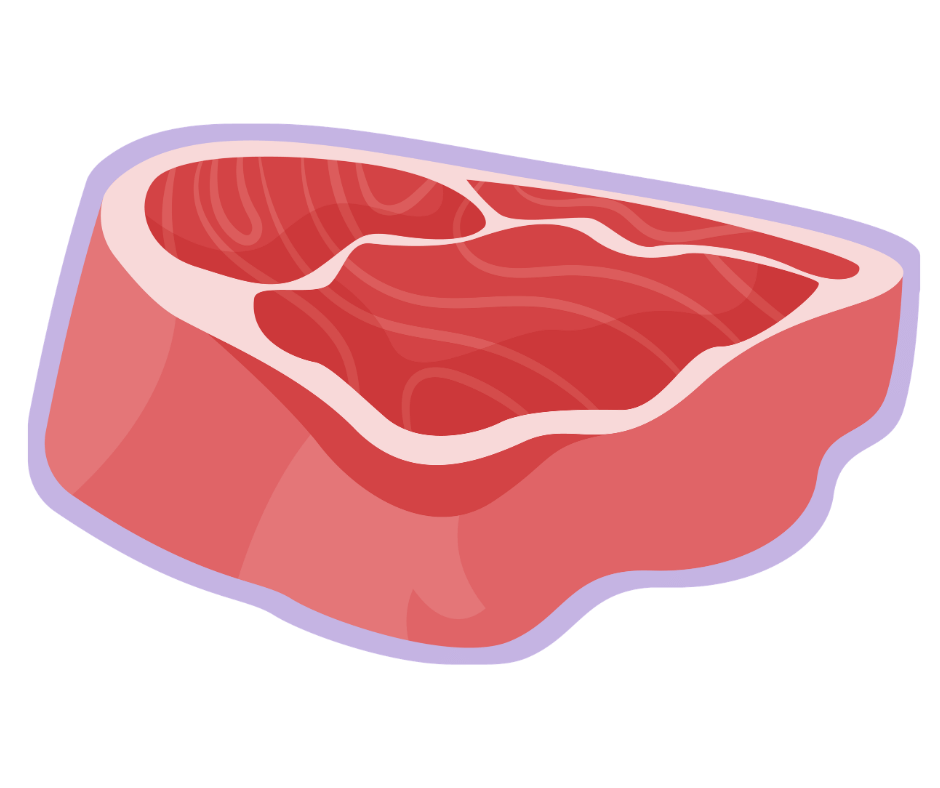
Beef is a natural source of iron and B vitamins, which are important for oxygen transport in the blood and for the nerves.
The high nutrient density is important for strength and endurance , as it can as it can support vitality and the maintenance of muscles
All “power animals” that spend a lot of time outdoors, train, or simply need a robust energy source.
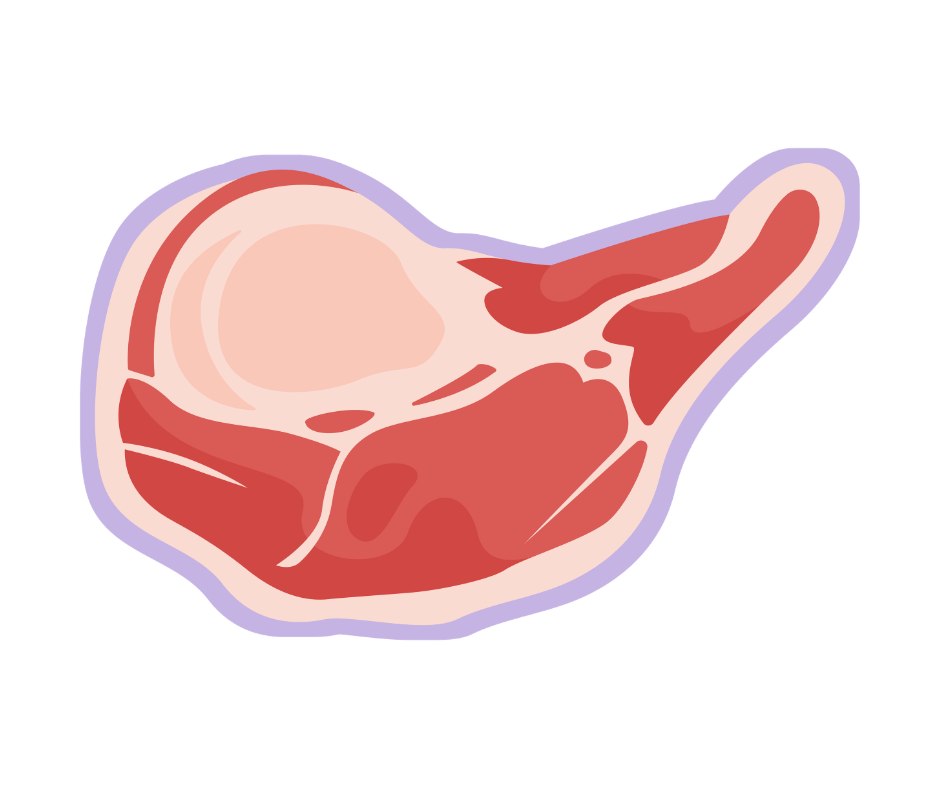
Lamb has a special nutrient profile and often contains more fat than beef, making it a dense energy source.
Since it is less common in feed, it can be a safe alternative if beef or poultry is not well tolerated.
Active animals with higher calorie requirements and sensitive gourmets.
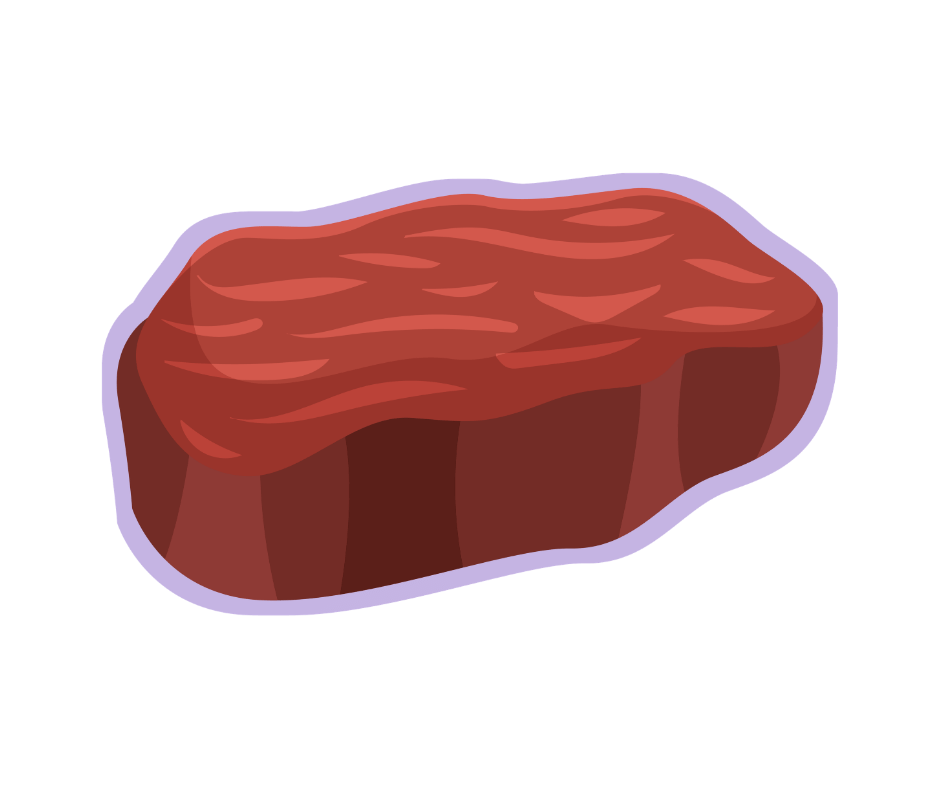
Wild animals eat a colorful mix of grasses, herbs, and other plants outdoors. This varied diet can have a positive effect on the composition of their meat.
The original proteins can relieve the burden on the immune system. It is considered particularly hypoallergenic, as the body rarely shows adverse reactions to game.
Suitable for allergy sufferers and animals that require a very natural, lean diet.
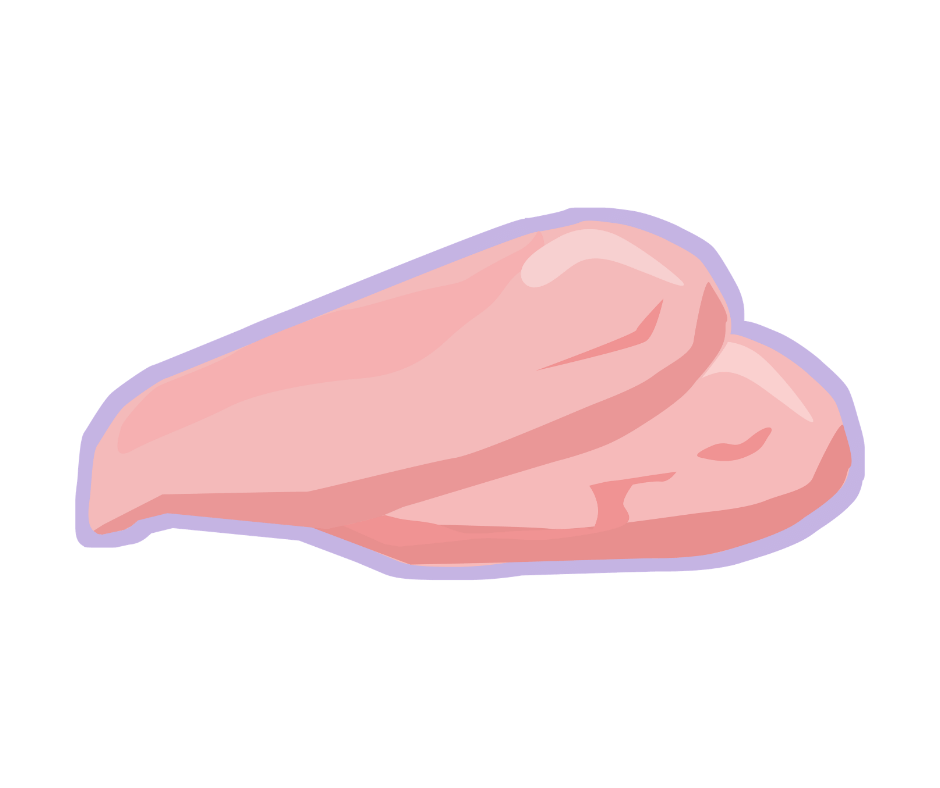
Turkey meat is extremely low-fat and provides a lot of magnesium, which can play a role in heart and muscle function.
It provides plenty of building blocks for muscles without supplying many calories. This can help keep you slim and fit.
Less active animals, seniors , or as a light snack.
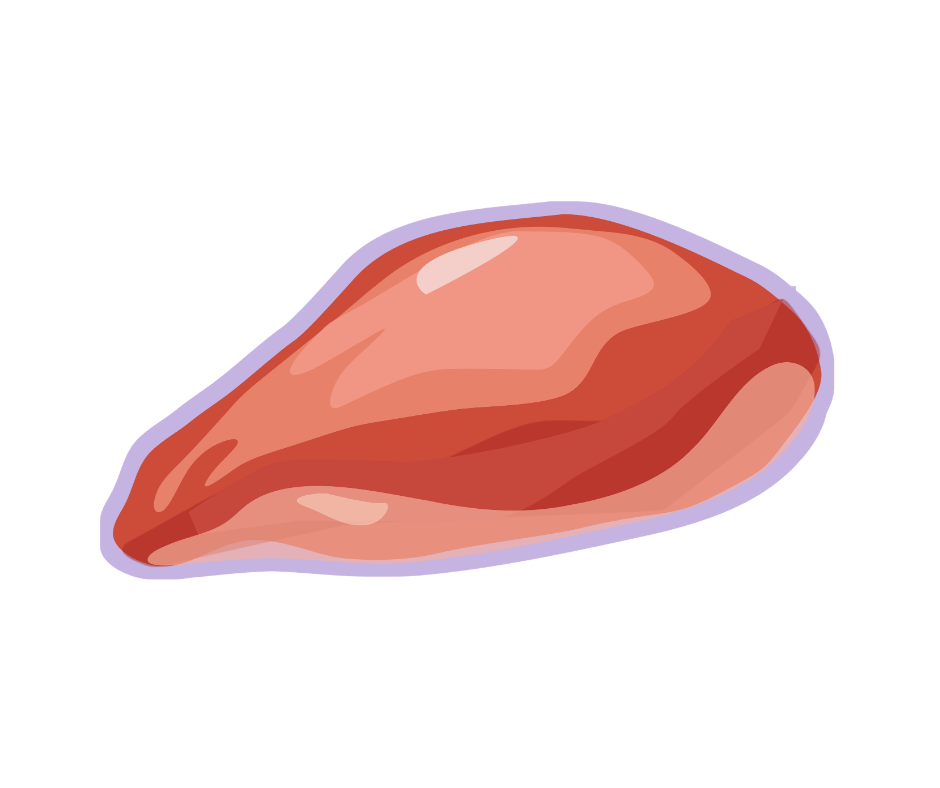
Duck is a darker type of poultry meat. It is higher in fat and contains many essential fatty acids and minerals.
The intense smell and taste can stimulate the appetite of very picky cats and dogs.
Animals that need to put on need to put a little more weight or that often standard varieties. or that often refuse to eat
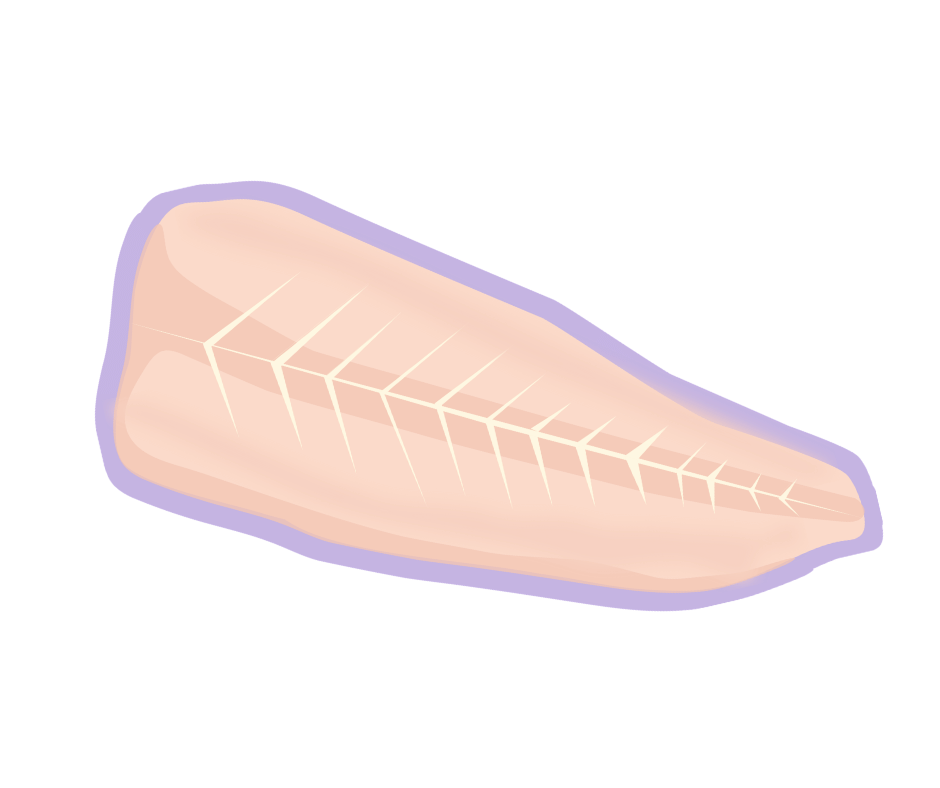
Fish is the best natural source of omega-3 fatty acids (EPA and DHA), which are often lacking in the meat of land animals.
These valuable fats can prevent inflammation and and support the health of the skin and coat from within from within
Animals with dull fur, scaly skin, or as a light, protein-rich alternative.
Carbohydrates are often portrayed as the ultimate enemy. However, dogs and cats can utilize them well in the right quantity and quality. They are a valuable source of energy, can provide a pleasant feeling of satiety, and can help the body to use proteins effectively in the first place.
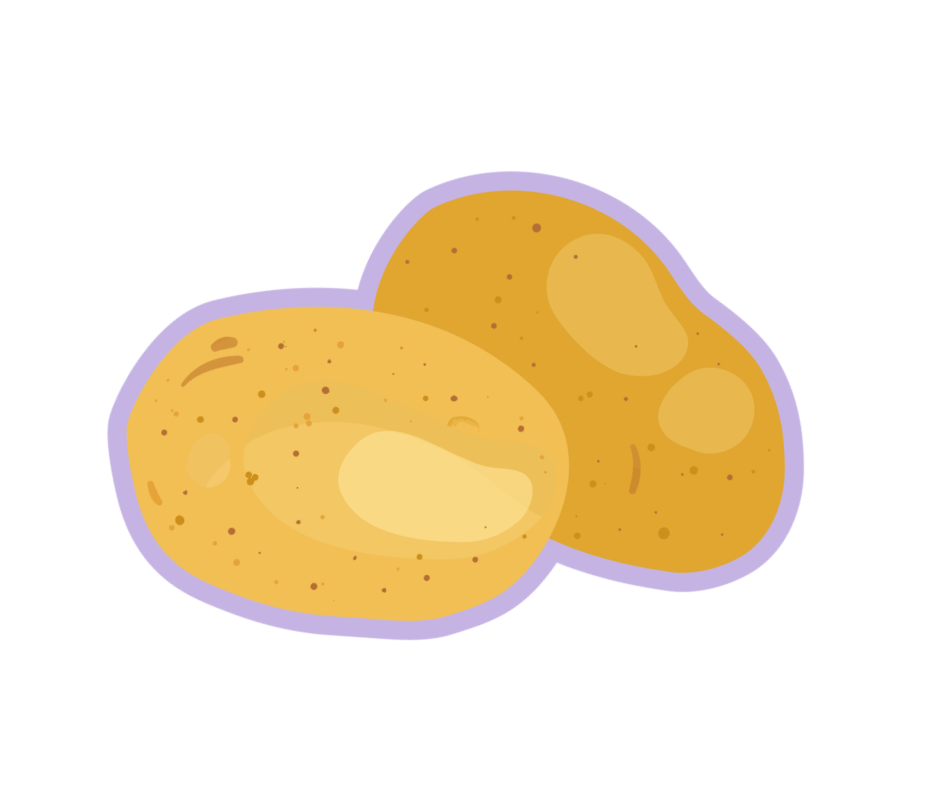
Potatoes are a purely plant-based, grain-free energy sourcethat provides the body with important minerals such as potassium .
The starch it contains can energy for muscles and movement be efficiently converted by the body into the digestive system without burdening with grain.
A consistently grain-free diet for dogs and cats that need a stable energy source for everyday life
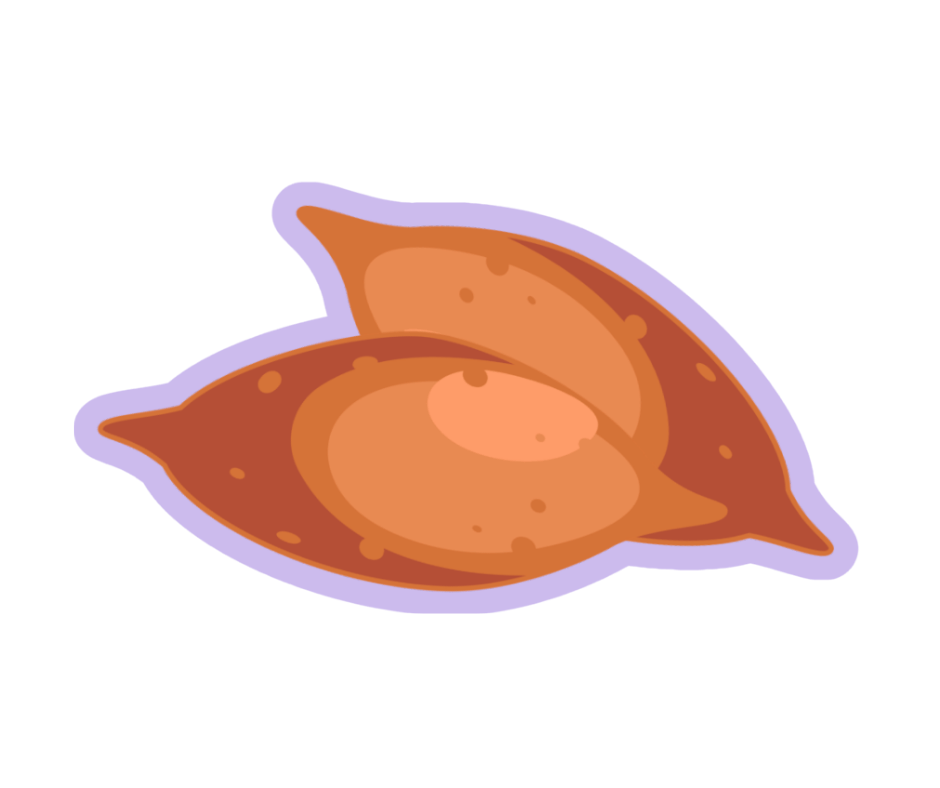
They serve as a nutrient-rich alternative to the classic potato and contain a higher proportion of natural fiber .
Sweet potatoes, due to their more complex structure, can support digestion and help the feeling of fullness last longer after a meal .
Animals that require a high-quality, grain-free carbohydrate source with an extra dose of nutrients
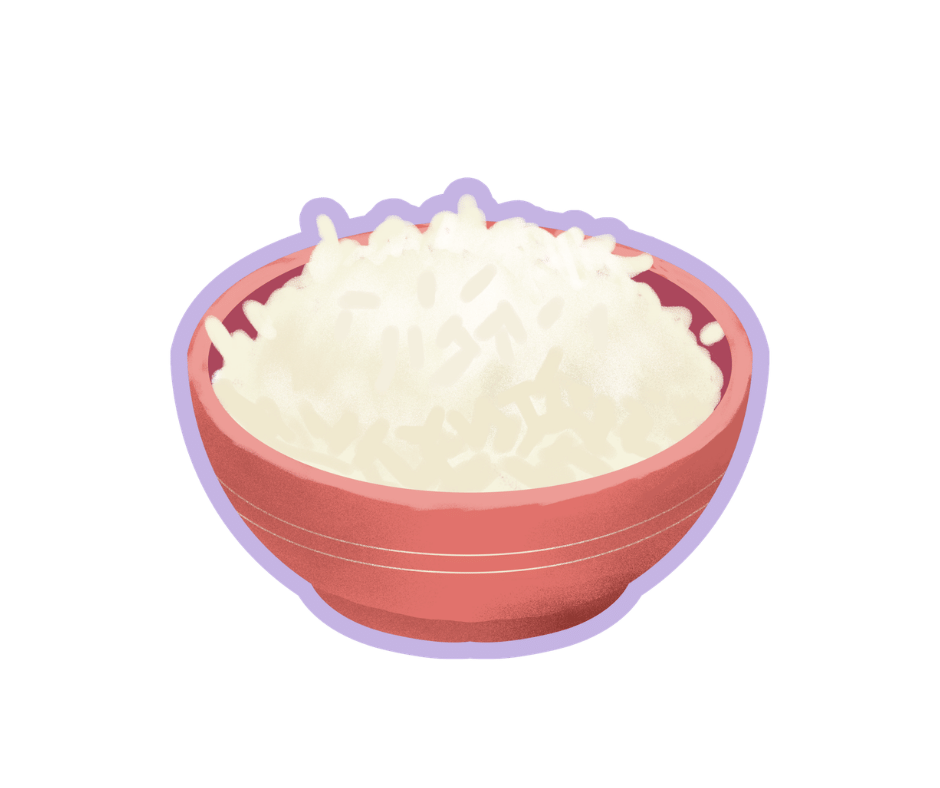
Rice is considered the most tolerable carbohydrate source for meat eaters, as it is extremely low in irritants and naturally gluten-free.
Rice can provide clean energy without unnecessarily stressing the gastrointestinal tract. It is deliberately used in our sensitive varieties because it can stabilize digestion .
For animals with more sensitive digestion or as a gentle base in the food bowl.
Vegetables are important and good.
Therefore, vegetables are not just a decorative element in the bowl, but a functional support. Vegetables provide vitamins and fiber that can be crucial for your four-legged friend's vitality.
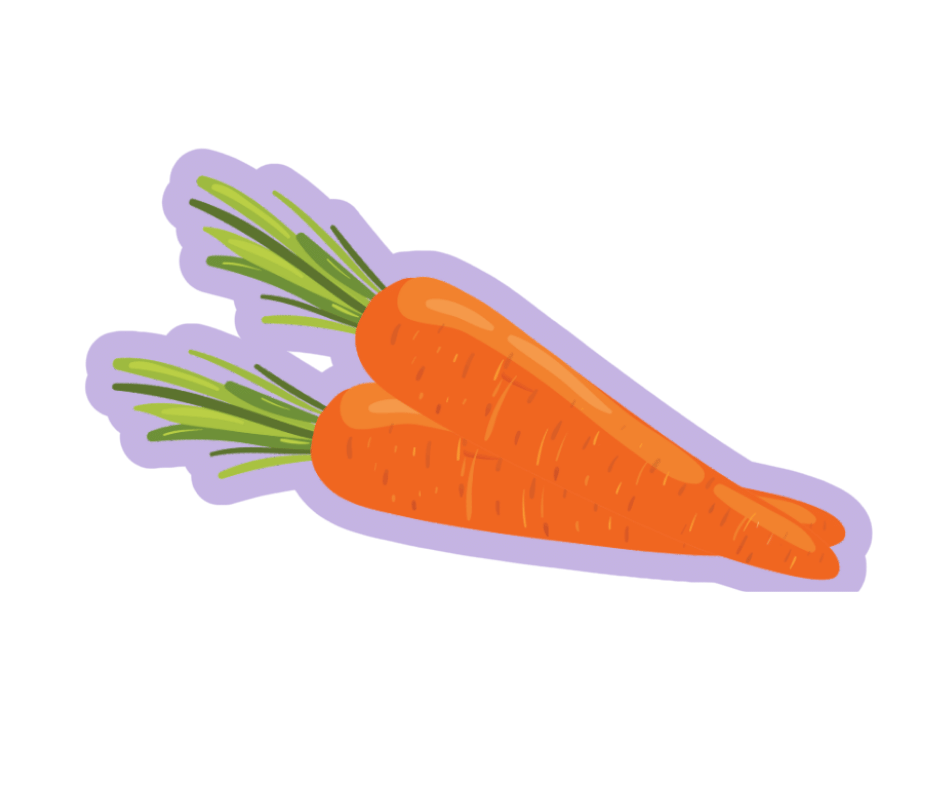
Carrots are among the best natural sources of beta-carotene , which the body can convert into vitamin A. They also contain valuable pectins, special dietary fibers with a high water-binding capacity.
The pectins in carrots can help protect the mucous membranes of the gastrointestinal tract and regulate stool consistency . Due to their high vitamin content, carrots can also support the immune system and cell regeneration in the skin and eyes .
All dogs & cats.
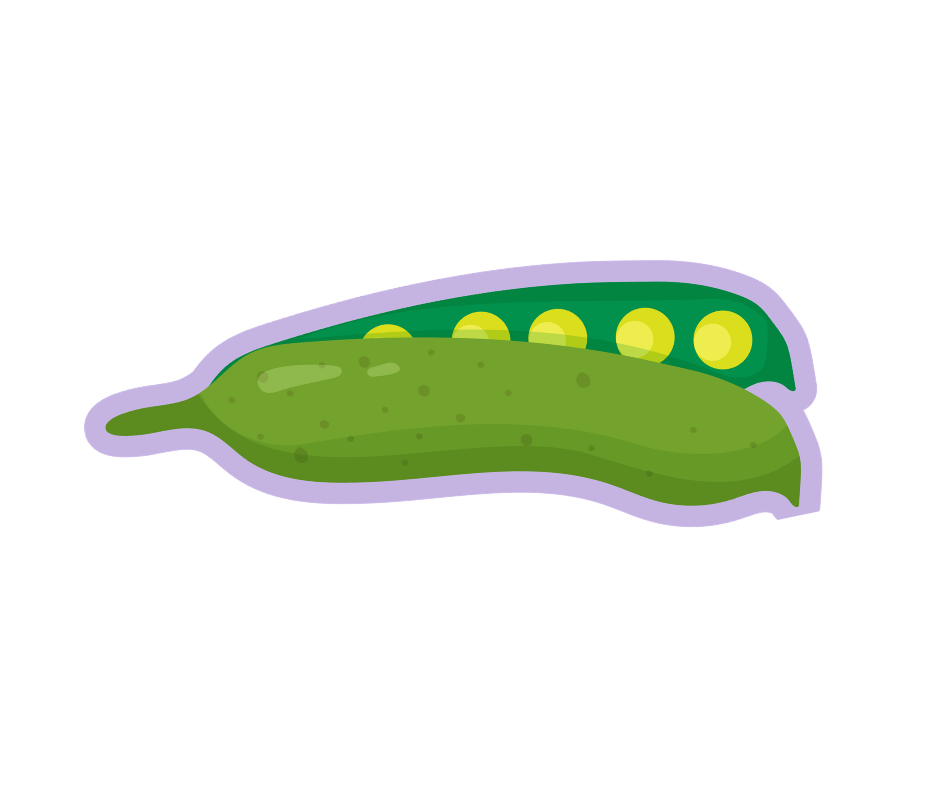
Peas are true all-rounders . In addition to plant-based protein, they contain primarily B vitamins, vitamin K , and minerals such as magnesium and iron .
The interplay of proteins and fiber can promote muscle metabolism and ensure a constant energy level . Furthermore, fiber can stimulate bowel movements , thus contributing to swift and healthy digestion.
All dogs & cats.
For us, only human-grade meat makes it into the bowl — everything else simply isn’t good enough. Because we know: protein isn’t just for the gym, it’s essential for dogs and cats too.
But what are the differences between the various protein sources? We've got a quick check for you:
Chicken provides very high-quality and low-fat protein, which the bodies of dogs and cats can break down particularly easily.
Chicken hardly puts a strain on the metabolism. This can be particularly helpful if the stomach and intestines sensitive or if the animal needs to rest.
Animals that need a light, easily digestible base in their bowl or that need to watch their weight.
Beef is a natural source of iron and B vitamins, which are important for oxygen transport in the blood and for the nerves.
The high nutrient density is important for strength and endurance , as it can as it can support vitality and the maintenance of muscles
All “power animals” that spend a lot of time outdoors, train, or simply need a robust energy source.
Lamb has a special nutrient profile and often contains more fat than beef, making it a denser energy source.
Since it is less common in feed, it can be a safe alternative if beef or poultry is not well tolerated.
Active animals with higher calorie requirements and sensitive gourmets.
Wild animals eat a colorful mix of grasses, herbs, and other plants outdoors. This varied diet can have a positive effect on the composition of their meat.
The original proteins can relieve the burden on the immune system. It is considered particularly hypoallergenic, as the body rarely shows adverse reactions to game.
For nutritionally sensitive animals and furry friends who need a very natural, lean diet.
Turkey meat is extremely low-fat and provides a lot of magnesium, which can play a role in heart and muscle function.
It provides sufficient building blocks for muscles without supplying many calories. This can help keep your pet slim and fit.
Less active animals, seniors , or as a light snack.
Duck is a darker type of poultry meat. It is higher in fat and contains many essential fatty acids and minerals.
The intense smell and taste can stimulate the appetite of very picky cats and dogs.
Animals that need to put on need to put a little more weight or that often standard varieties. or that often refuse to eat
Fish is the best natural source of omega-3 fatty acids (EPA and DHA), which are often lacking in the meat of land animals.
These valuable fats can prevent inflammation and and support the health of the skin and coat from within from within
Animals with dull fur, scaly skin , or as a light, protein-rich alternative.
Carbohydrates are often portrayed as the ultimate enemy. However, dogs and cats can utilize them effectively in the right quantity and quality. They are a valuable source of energy, can provide a pleasant feeling of satiety, and help the body to utilize proteins efficiently.
Potatoes are a purely plant-based, grain-free energy sourcethat provides the body with important minerals such as potassium .
The starch it contains can energy for muscles and movement be efficiently converted by the body into the digestive system without burdening with grain.
A consistently grain-free diet for dogs and cats that need a stable energy source for everyday life
They serve as a nutrient-rich alternative to the classic potato and contain a higher proportion of natural fiber .
Sweet potatoes, due to their more complex structure, can support digestion and help the feeling of fullness last longer after a meal .
Animals that a high-quality, grain-free carbohydrate source with an require a high-quality, grain-free carbohydrate source with an extra dose of nutrients

It is considered the most tolerable carbohydrate source for meat eaters, as rice is extremely low in irritants and naturally gluten-free .
Rice can provide clean energy without unnecessarily stressing the gastrointestinal tract. It is deliberately used in our sensitive varieties because it can stabilize digestion .
For animals with more sensitive digestion or as a gentle base in the food bowl.
Vegetables are important and good.
Therefore, vegetables are not just a decorative element in the bowl, but a functional support. Vegetables provide vitamins and fiber that can be crucial for your four-legged friend's vitality.
Carrots are among the best natural sources of beta-carotene , which the body converts into They also contain valuable pectins, into vitamin A. They also contain valuable pectins, special dietary fibers with a high water-binding capacity.
The pectins The pectins in carrots can help protect the mucous membranes of the gastrointestinal tract and regulate stool consistency . Due to their high vitamin content, carrots can also support the immune system and cell regeneration in the skin and eyes .
All dogs and cats.
Peas are true all-rounders plant-based protein, In addition to they contain primarily B vitamins, vitamin K , and minerals such as magnesium and iron .
The interplay of proteins and fiber can promote muscle metabolism and ensure a constant energy level . Furthermore, fiber can stimulate bowel movements , thus contributing to swift and healthy digestion.
All dogs and cats.